


Non-Degree Programs
Exchange Programs
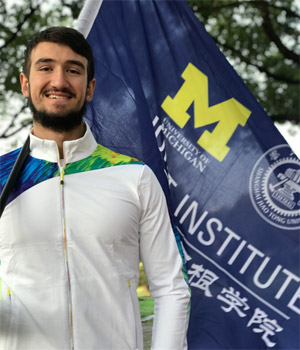
GC exchange programs allow the students to spend an entire term abroad at a leading international university, where they can truly immerse themselves in a different culture, establish international friendships, and experience the academic atmosphere and teaching at world-renowned universities.
There would be close to 50 spots per year!
How to apply
【Application procedures】
- GC Application
- Screen, Placement and Need-based interviews
- Decisions will be made (Based on students’ overall performance: academic / English skills / Personal Essays)
- Students complete the online applications required by the university you are placed.
【Online Application and Materials】
Fill up the GC online application on before deadline. Note that you will be required to upload the following materials so please get them prepared before you start the application. All the materials have to be in the form of PDF.
- Current Academic Transcript (available at SJTU Jiao Wo Ban)
- English Proficiency Test Report (meet the requirements of the program you apply to)
- Motivation essay (about 500 words on why you want to study abroad, motivations and etc.)
- A copy to the information page of your passport.
【Useful website】
To get an updated list of courses that have been approved by the GC, please check the course equivalence database:
Global E3 Network
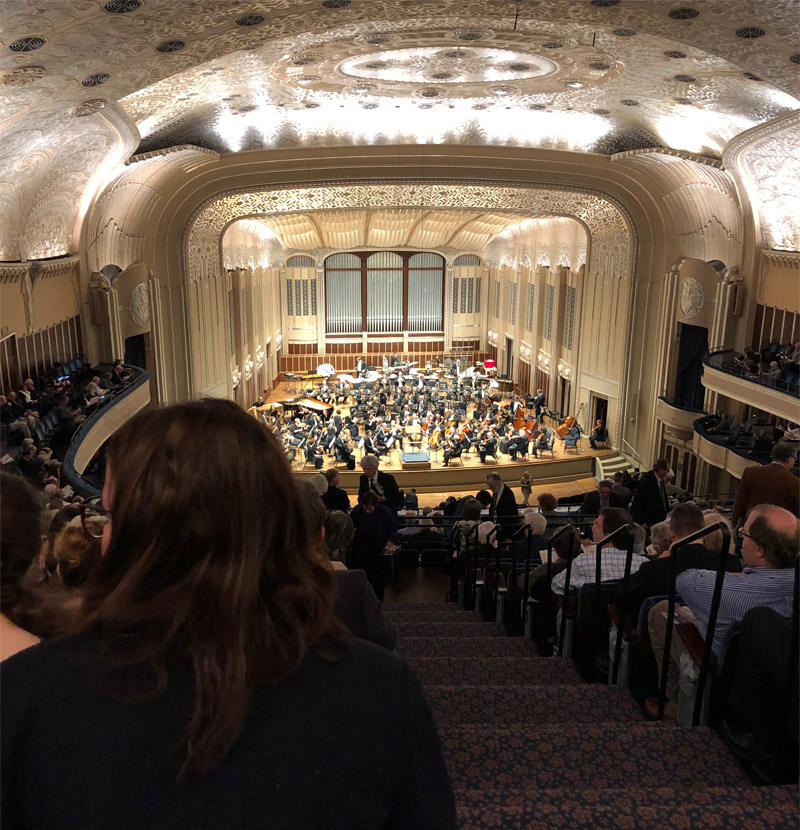

The GE³ network is an exchange system created specifically for engineering students. More than 70 member institutions from all over the world.
Academic calendars are varied at different universities.
“The one semester exchange at Case Western Reserve University is quite interesting and fulfilling. I not only get to experience the life in the US in advance, but also take courses which are not offered at GC. Also it’s very exciting to live with roommates from different countries.”
Chen Peiyu
Major in electrical and computer engineering
“All in all, Global E3 provides a wonderful exchange experience for me in 2019 spring semester. I was warmly welcomed at the University of Wisconsin–Madison. The coordinators and advisors of Engineering Exchange Program were really helpful. Many thanks to this experience!”
Fan Zheliang
Major in electrical and computer engineering
Belgium - University of Leuven


The Catholic University Leuven is one of the oldest and largest universities in Belgium, tracing its history to the old University of Leuven, which was founded in Leuven in 1425. It has a world-wide recognized reputation for innovation and cutting-edge science and is counted among the leading universities of the world. Currently, around 60,000 students study at its main campus in Leuven or one of the numerous satellite campuses, scattered throughout Belgium.
More information is available at https://www.kuleuven.be/english/application/instructions-exchange
Term Dates
Fall: September – February
Spring: February – early June
“The semester I spent at KU Leuven is full of unforgettable memories. In addition to the beautiful nature and historic sceneries I’ve visited, people there are also wonderful, always making me feel at home. My professors are so nice that I can ask questions anytime, even chat with them. Local students are so friendly that they always invite us to parties, or do fun things together. I will never forget the people I met in Belgium!”
Liu Ziwei
Major in electrical and computer engineering
Germany - FAU Erlangen-Nuremberg


The Friedrich-Alexander University of Erlangen-Nürnberg was founded in 1743 and has an illustrious history of scientific innovation. Today, it is one of Germany’s top research universities in engineering. Many of its engineering departments are very highly regarded and some form part of the prestigious “excellence clusters” in Germany.
Junior and Senior students can take a wide variety of courses at the FAU, ranging from automotive industrial studies to the architecture of super computers. Both mechanical engineering and electrical and computer engineering subjects are well-represented.
More information is available at Students on exchange programs (e.g. Erasmus) | FAU
Term Dates
Fall: October – March
Spring: April – July
Germany - Karlsruhe Institute of Technology


The KIT was created in 2009 when the University of Karlsruhe (founded in 1825) was merged with the Karlsruhe Research Center. KIT is one of Germany’s leading research institutions in science and engineering, ranking first in Germany and among the top 10 European universities as measured by published research papers.
Fourth-year students are encouraged to take courses at the Karlsruhe School of Optics and Photonics, which is an international graduate school of KIT. There, they can take courses preparing for specializations in Photonic Materials & Devices, Advanced Spectroscopy, Biomedical Photonics, Optical Systems and Solar Energy. Courses in Artificial Intelligence, Machine Learning are also available from other departments.
More information is available at https://www.intl.kit.edu/istudies/3242.php
Term Dates
Fall: October – March
Spring: April – July
“Studying abroad at KIT is a chance for me to step out of my comfort zone and visit places I’ve never been. Courses are competitive, covering various areas. No matter which subject you’re in, you are always able to find courses of your own interest. Also, I really enjoyed sceneries – Karlsruhe is so convenient to travel around, not only in Germany, but also in Europe. Overall it’s an unforgettable experience for me!”
Feng Shuwan
Major in electrical and computer engineering
Germany - RWTH Aachen
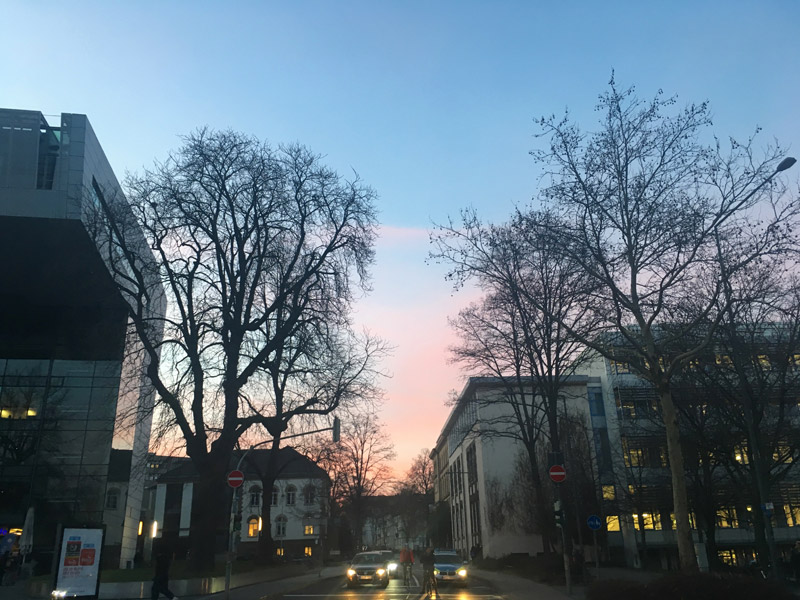

With more than 44,000 students, the RWTH Aachen is Germany’s largest university focusing on technical subjects. It receives the most external funding of all German universities and is highly regarded internationally.
Within Germany, it is regularly recognized as having the best programs in electrical, mechanical and chemical engineering.
Junior and Senior students can take a wide variety of courses at the RWTH Aachen ranging through all fields of engineering.
More information is available at https://www.rwth-aachen.de/cms/root/Studium/Im-Studium/Internationales/~bqtq/Exchange-Incomings/?lidx=1
Term Dates
Fall: October – March
Spring: April – July
“RWTH Aachen University is a place one can enjoy both studying and living. The curriculum here is designed to develop students’ interests, making studying a pleasant journey to take on. On the boarder of Germany, the university is close to Netherlands and Belgium, making travel around a breeze.”
Hu Yuwen
Major in electrical and computer engineering
Germany – Technical University of Munich


The Technical University Munich (TUM) is one of Germany’s most renowned technical universities, with a history going back to 1868. It is dedicated to engineering and the science, with nearly all of its 40,000 students enrolled in a technical degree program.
The TUM is a great place to take engineering courses and learn about diverse subjects such as wind energy, vehicle engineering and other modern areas. Students may take courses in any department, including physics, computer science and electrical engineering.
More information is available at Study stays for international students – TUM Global
Term Dates
Fall: October – March
Spring: April – July
“The greatest gift I received from studying at TUM was the people I met and worked with. They are so reliable and enthusiastic! I also love the classes I took. The high quality of teaching makes me realize how lucky I am to choose to study over there. In particular, I get to take any courses I’m interested, which allows me to learn something new other than my major. I’m grateful to everyone who’s helped me!”
Li Songqian
Major in electrical and computer engineering
Spain - Tecnun, University of Navarra
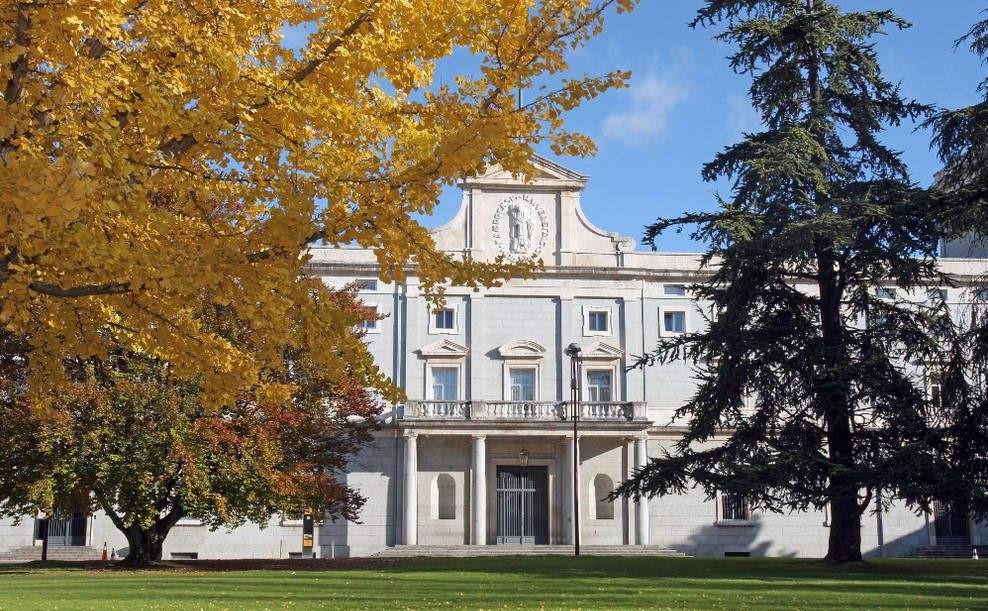
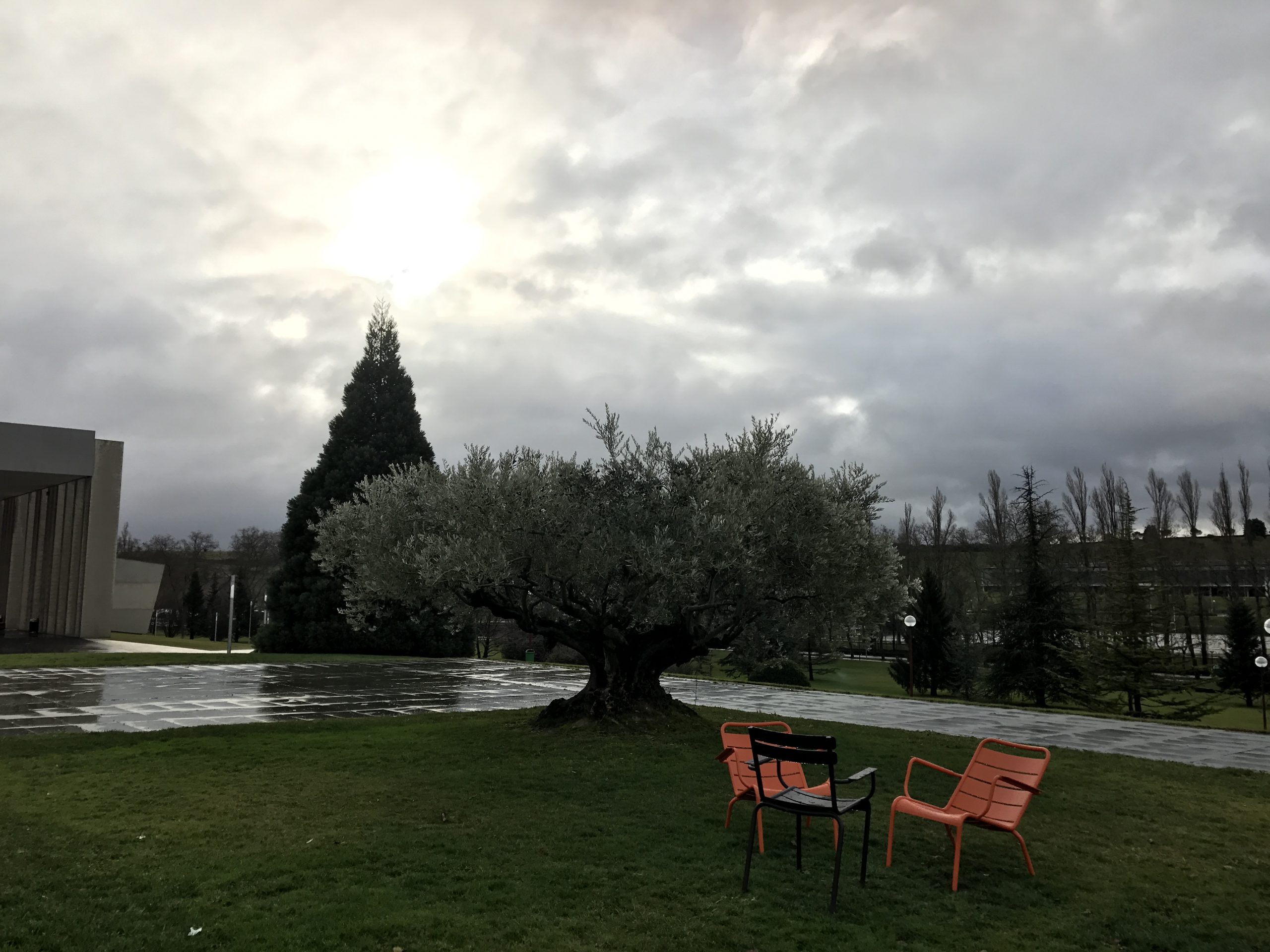
The School of Engineering at San Sebastián, also known as TECNUN, is the Technological Campus of the University of Navarra. The School of Engineering offers numerous degrees in engineering at its two campuses in the city of Donostia-San Sebastián. GC students can not only attend the winter program organized by the university, but also can choose to come to the beautiful San Sebastian for a semester.
Term Dates
Fall: September – December
Spring: January – May
Sweden - Royal Institute of Technology
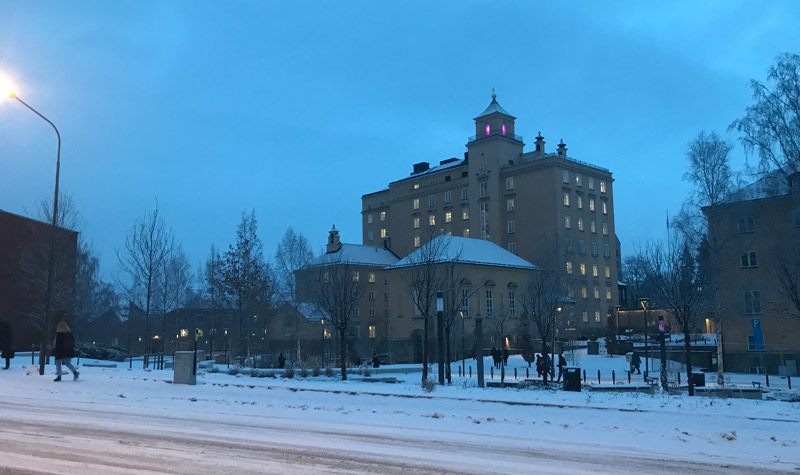

The Royal Institute of Technology in Stockholm (Kungliga Tekniska Högskolan, KTH) was founded in 1827 and today provides a significant part of Sweden’s university-level higher education. It is regarded as one of the leading universities in science and technology internationally. More than 14,000 undergraduate and 1,700 postgraduate students study at KTH.
Senior students can take a wide variety of English-language courses at the KTH. A wide selection of engineering, humanities, math and science courses is available.
More information is available at kth.se/exchange
Term Dates
Fall: August – January
Spring: January – early June
“We went to KTH during the spring term for exchange, and the experience has benefited us a lot. We not only took interesting courses, but also travelled around and explored the nation with our new friends we met at KTH. Plunging into a totally different culture is so exciting and challenging! We will always miss KTH and fika!”
Shao Yumeng
Major in electrical and computer engineering
Switzerland - EPFL


Located in Switzerland, EPFL is one of Europe’s most vibrant and cosmopolitan science and technology institutions. It welcomes students, professors and collaborators of more than 120 nationalities. EPFL has both a Swiss and international vocation and focuses on three missions: teaching, research and innovation.
EPFL collaborates with an important network of partners, including other universities and colleges, secondary schools and gymnasiums, industry and the economy, political circles and the general public, with the aim of having a real impact on society.
More information is available at Exchange semester or year ‒ International ‐ EPFL
Term Dates
Fall: September – January
Spring: Feburary – early July
United States - Carnegie Mellon University
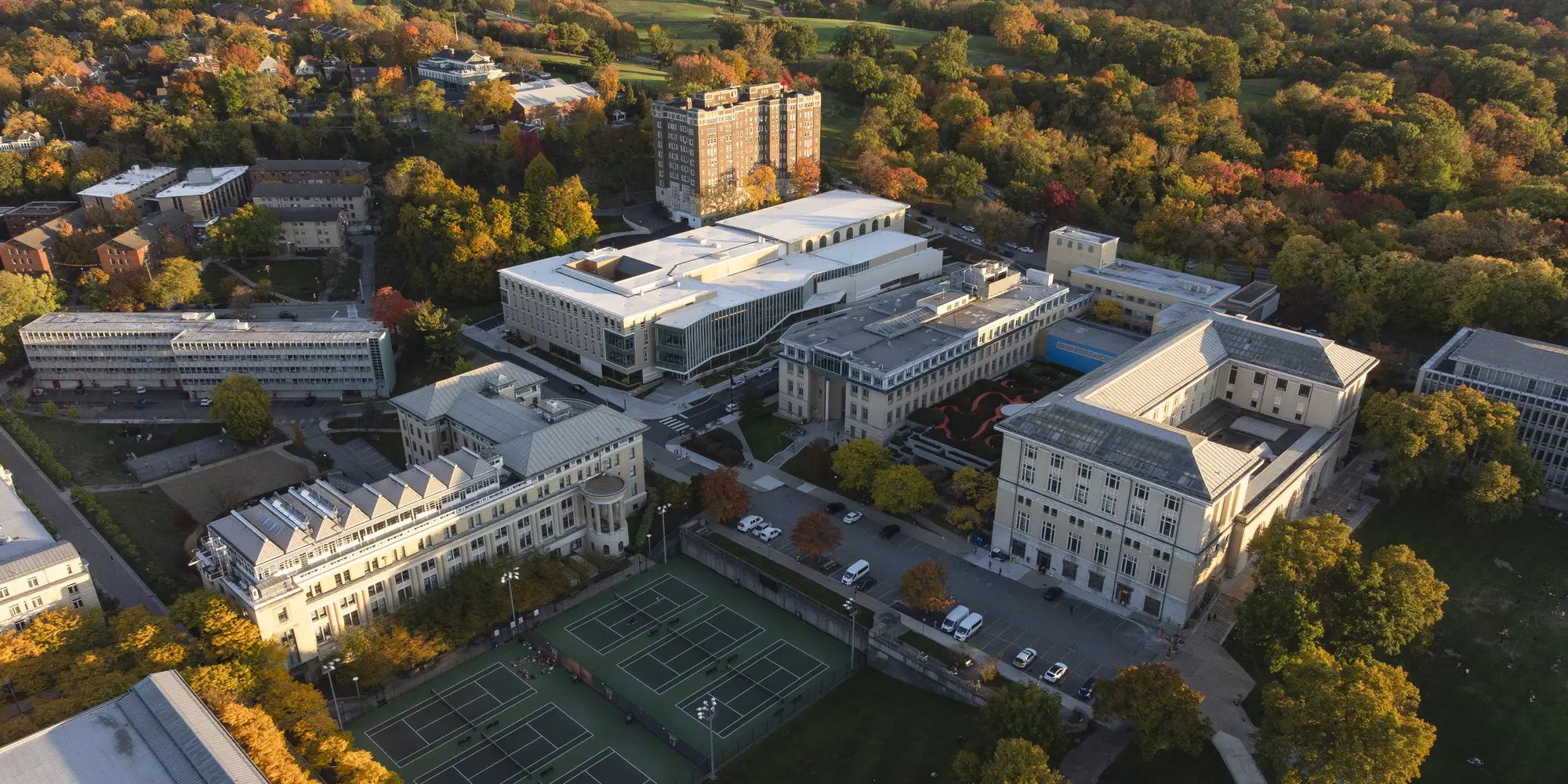
Carnegie Mellon University (CMU) is a top-ranked private research university in Pittsburgh, USA, known for excellence in computer science, engineering, AI, robotics, business, and the arts. Founded in 1900,
CMU emphasizes innovation and interdisciplinary collaboration, with strengths in tech and a global presence.
More information is available at https://www.cmu.edu/hub/registrar/registration/vnd/guest.html
Term Dates
Fall: August – December
Spring: January – May
United States - Cornell University

Cornell University is a private research university that provides an exceptional education for undergraduates and graduate and professional students. Cornell’s colleges and schools — including four “contract colleges” (operated by Cornell under contract with New York state) — encompass more than 100 fields of study, many of which provide opportunities for learning and engagement that span the state, the nation and the world.
With locations in Ithaca, New York, New York City and Doha, Qatar, Cornell creates a unique atmosphere for research, teaching and public engagement.
More information is available at https://abroad.globallearning.cornell.edu/international-exchange
Term Dates
Fall: August – December
Spring: January – May
United States - North Carolina State University
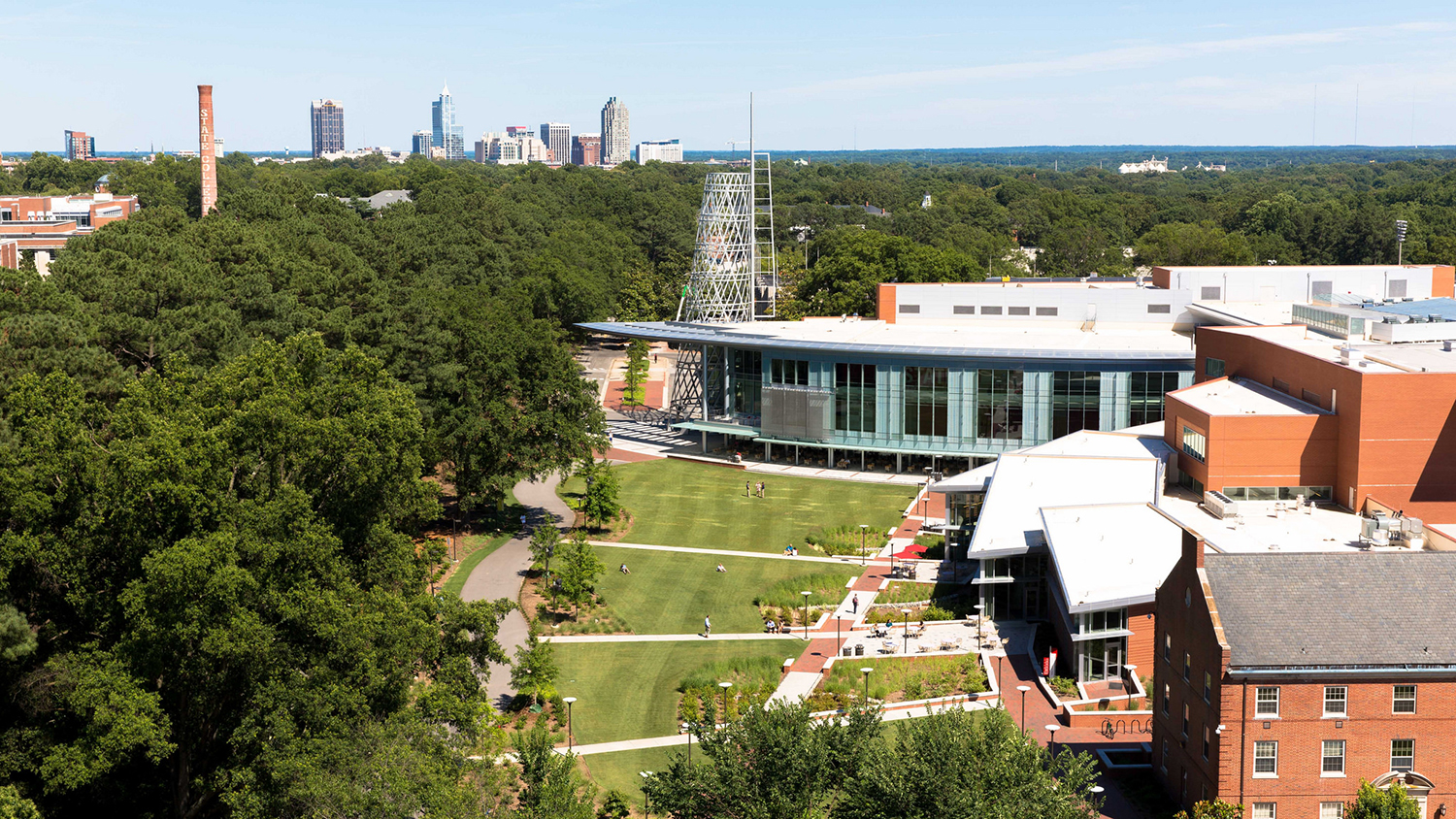
North Carolina State University (NCSU or NC State) traces its origins to 1887, where its precursor was founded as a land-grant college. With 34,000 students is the largest university in North or South Carolina. Historically, engineering has been one of its core strengths and its engineering program is highly regarded.
Term Dates
Fall: August – December
Spring: January – May
Exchanging at NC State University is a precious opportunity for me to experience the unique American culture and college life. It’s also interesting to see the similarities and differences of education in different countries, which prepares me better for studying abroad in the future.
Peng Chen
Major in electrical and computer engineering
Winter Programs
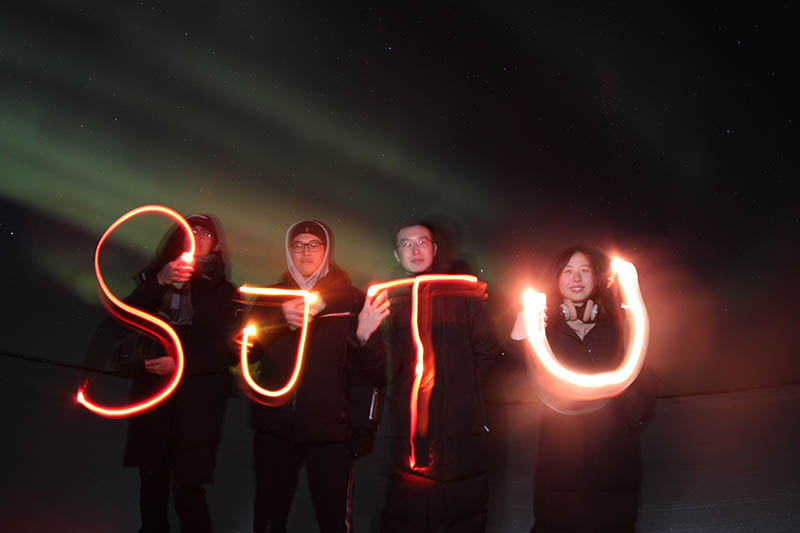
GC’s Winter Program is a perfect opportunity to experience studying abroad in a safe environment, right from the first year of your college life! All programs feature popular courses in technology, local culture and business as well as fun cultural programs organized by the host. Explore the page and find out more about our winter program options.
*Please note that the items listed below are for the Winter 2026 program and are for reference only. For details on the 2027 program, please check Canvas notifications.
How to apply
Step 1: Finish the online application before deadline. As part of the application, you are required to submit a 250-word essay. (*Due to time constrains, late submissions will not be considered or accepted.)
Step 2: After receiving the admission notice, confirm your participation. We will then collect a copy of your passport (valid for at least six months; if you do not yet have one, please apply as soon as possible), your Chinese ID card, as well as the signed Parent Consent Form and Health Declaration Form. The two forms will be provided to students once the admission is finalized.
Domestic Winter Program
Our winter program offers you high-quality academic courses, as well as a unique opportunity to explore Chinese culture and customs, make new friends, and enjoy interesting excursions. The program combines courses in engineering, arts, humanities or professional development, with researches, field trips and practices in real world settings, providing a comprehensive and enriching educational experience.
Design for Sustainable Development
Accreditation: 2 credits in IB-PD
Duration: 27 December, 2026 – 7 January, 2027
Instructor: Kwee-Yan Teh
Course Description:
This course is an action-based learning course in which students work in teams to apply design skills to address sustainable development needs of entrepreneurial and community partner organizations. Students will try to identify stakeholders, assess needs, and investigate design opportunities in ways that connect local needs to global sustainable development goals. Tools for human-centered design such as interviewing, immersion, and prototyping field trips and visits will be applied during the course.
Digital Photography
Accreditation: 2 credits in IB-ART
Duration: 27 December, 2026 – 7 January, 2027
Instructor: Manuel Charlemagne
Course Description:
During this course, students will venture through the cities and wilderness of China. With their cameras, they will explore the beauty of nature and the grandeur of cultural landscapes, learning how to best capture and portray these sceneries using photographic techniques. Whether you are studying engineering, business, laws, a touch of humanistic sentiments will be fully developed with the completion of the program.
Field Study in Chinese History
Accreditation: 2 credits in IB-SS
Duration: 27 December, 2026 – 7 January, 2027
Instructor: Tong Xu
Course Description:
This course will bring students to places closely related to a certain theme in Chinese history. The goal is to extend and deepen students’ understanding of China through experiential learning. While students will read both primary and secondary literature and complete regular course work, this course highlights students’ experience of immersing in history and reliving those exciting moments in history.
Computational Thinking with Data
Accreditation: 2 credits in FTE
Duration: 4 – 15 January, 2027
Instructor: Ailin Zhang
Course Description:
This course focuses on the computational aspects of data science including how to use numerical software to interact with data, how to model the data and how to present findings to the stakeholders. Students will explore how to start an investigation with a question and how to collect the dataset from scratch and aggregate data from different sources. In the end, the students will leave the course being able to independently apply the skills they have learned to datasets of their own choosing.
Introduction to Literary Journalism
Accreditation: 2 credits IB-HU
Duration: 27 December, 2026 – 7 January, 2027
Instructor: Ryan Mallory Thorpe
Course Description:
During this course, students will travel through urban and remote areas of China, engaging and learning about the practice of travel writing. They will place themselves in the middle of their stories as they ask difficult questions both of themselves and the places that they visit. Students will be asked to read several pieces in advance of the trip, and through daily writing exercises and engaging the local settings, they will uncover truths about life and culture, and with some luck, about themselves as well.
Discovering Shanghai Through the Lens of Art
Accreditation: 2 credits in IB-Art
Duration: 27 December, 2026 – 7 January, 2027
Instructor: Aline Chevalier
Course Description:
This course explores images of Shanghai, a cosmopolitan and multifaceted urban environment, as envisioned by artists and intellectuals of different periods and nationalities that shaped the current individual and societal imagery attached to the city. This exploration leads students through the various artistic and intellectual movements that formed the city’s identity, spanning from the Art Nouveau period to the expansion of the digital era along with the sociological and philosophical concepts behind this ethos.


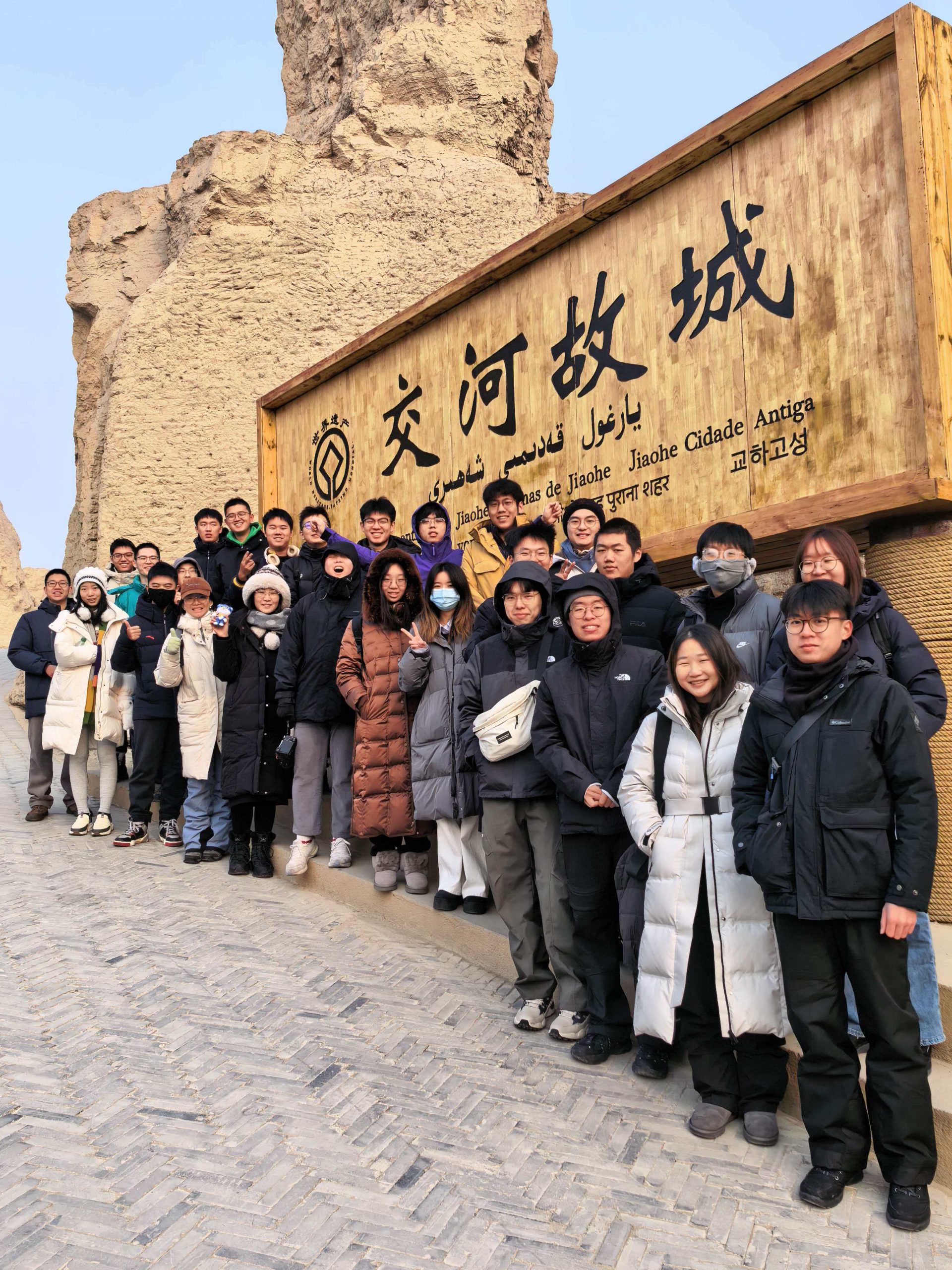
Argentina - Technological Institute of Buenos Aires


Duration: 4 weeks
Eligibility: All students
Instituto Tecnológico de Buenos Aires
Instituto Tecnológico de Buenos Aires (ITBA) is a leading private engineering and technology university in Buenos Aires, Argentina. Established in 1959, ITBA is widely recognized for its strong focus on engineering, technology, and innovation. The university maintains close connections with industry and emphasizes practical learning, research excellence, and global collaboration. Through its international programs, ITBA provides students with opportunities to experience academic exchange, interdisciplinary learning, and cross-cultural engagement in a dynamic technological environment.
Courses
Data Analytics (Course equivalency: STAT4710J)
or Innovation & Digital Business (New course, waiting for approval)
Spanish Language Level A1+Latin American Culture (3 IB-HU credits)
Data Analytics
Course Overview
This course introduces students to transactional and multidimensional databases, which are essential for providing effective data support for modern IT projects. Students will learn the fundamentals of data analysis and data visualization, gaining practical experience with industry tools commonly used in data-driven decision making.
Course Structure
The Data Analytics program consists of lectures combined with hands-on training sessions. Students are expected to attend classes regularly and review course materials in order to successfully complete the assessments.
Teaching Methodology
The course includes 44 hours of instruction, covering the fundamental concepts of data analytics and database systems. Practical exercises are conducted using professional tools including:
- IBM InfoSphere Data Architect
- Microsoft SQL Server
- MicroStrategy
These tools are installed on laboratory computers to allow students to gain hands-on experience with real data analysis environments.
Learning Requirements
Students are encouraged to have:
- Basic knowledge of programming fundamentals
- Mathematical background related to set theory and mathematical logic
Such knowledge will help students better understand the analytical methods and database structures introduced in the course.
Spanish Language and Cultural Studies
Students will spend four weeks in Buenos Aires, Argentina, immersing themselves in Argentine culture through Spanish language and cultural studies courses. The program combines academic learning with a variety of engaging cultural activities, allowing students to explore the history, traditions, and vibrant lifestyle of Argentina.
Throughout the program, students will also have opportunities to experience the city’s unique cultural landmarks, local cuisine, and social atmosphere while interacting with local students and communities. Comfortable housing and comprehensive on-site support services will be provided to ensure a safe, enriching, and enjoyable study abroad experience.
Croatia - University of Zagreb


Duration: 4 weeks
Eligibility: All students
Faculty of Economics & Business Zagreb, University of Zagreb
The Faculty of Economics & Business Zagreb is one of the leading business schools in Croatia. The faculty provides high-quality education in business, economics, and management, and actively collaborates with international universities and industry partners.
This winter program offers students an opportunity to explore contemporary business topics such as innovation, marketing, finance, and artificial intelligence, while experiencing Croatia’s dynamic academic and cultural environment.
Program Overview
This four-week international program combines academic learning, industry exposure, and cultural experiences. Students will attend lectures delivered by experienced professors, participate in case discussions and group work, and gain practical insights through company visits.
The academic component consists of two modules and four courses, with a total of 64 lecture hours.
Module 1 – Finance and Innovation
Finance and Accounting
This course explores the structure and functioning of modern financial systems and institutions. Students will learn about financial markets, financial statement analysis, and forensic accounting techniques used to detect fraud and improve transparency in financial reporting.
Innovation Management
This course examines how organizations develop and manage innovation in competitive markets. Students will explore idea generation, design thinking, business models, product development, intellectual property protection, and strategies for scaling innovative products and services.
Module 2 – Marketing, Branding and Emerging Technologies
Marketing and Branding
This course focuses on how companies build strong brands and create meaningful connections with consumers. Students will learn key concepts of marketing strategy, consumer behavior, and brand management across different industries and markets.
Innovations and Artificial Intelligence
This course explores the role of innovation, digitalization, and artificial intelligence in shaping modern industries. Students will analyze disruptive innovation and learn strategies for developing and marketing innovative products in rapidly changing business environments.
Study in Croatia
The program takes place primarily in Zagreb, the capital and largest city of Croatia, with one week of classes in Dubrovnik, a historic coastal city on the Adriatic Sea.
Croatia is part of the European Union and the Schengen Area, making it convenient to travel to other European destinations during your stay. Nearby cities include:
Rome • Vienna • Budapest • Venice • Ljubljana • Prague
Cultural and Social Activities
The program also offers a variety of cultural and social activities to enrich the overall experience. These activities provide opportunities for students to explore Croatian culture and connect with international peers.
Activities include:
- Welcome reception
- Zagreb city tour
- Dubrovnik city tour
- Company visits
- Networking opportunities
- Farewell lunch and certificate ceremony
Egypt - Cairo University
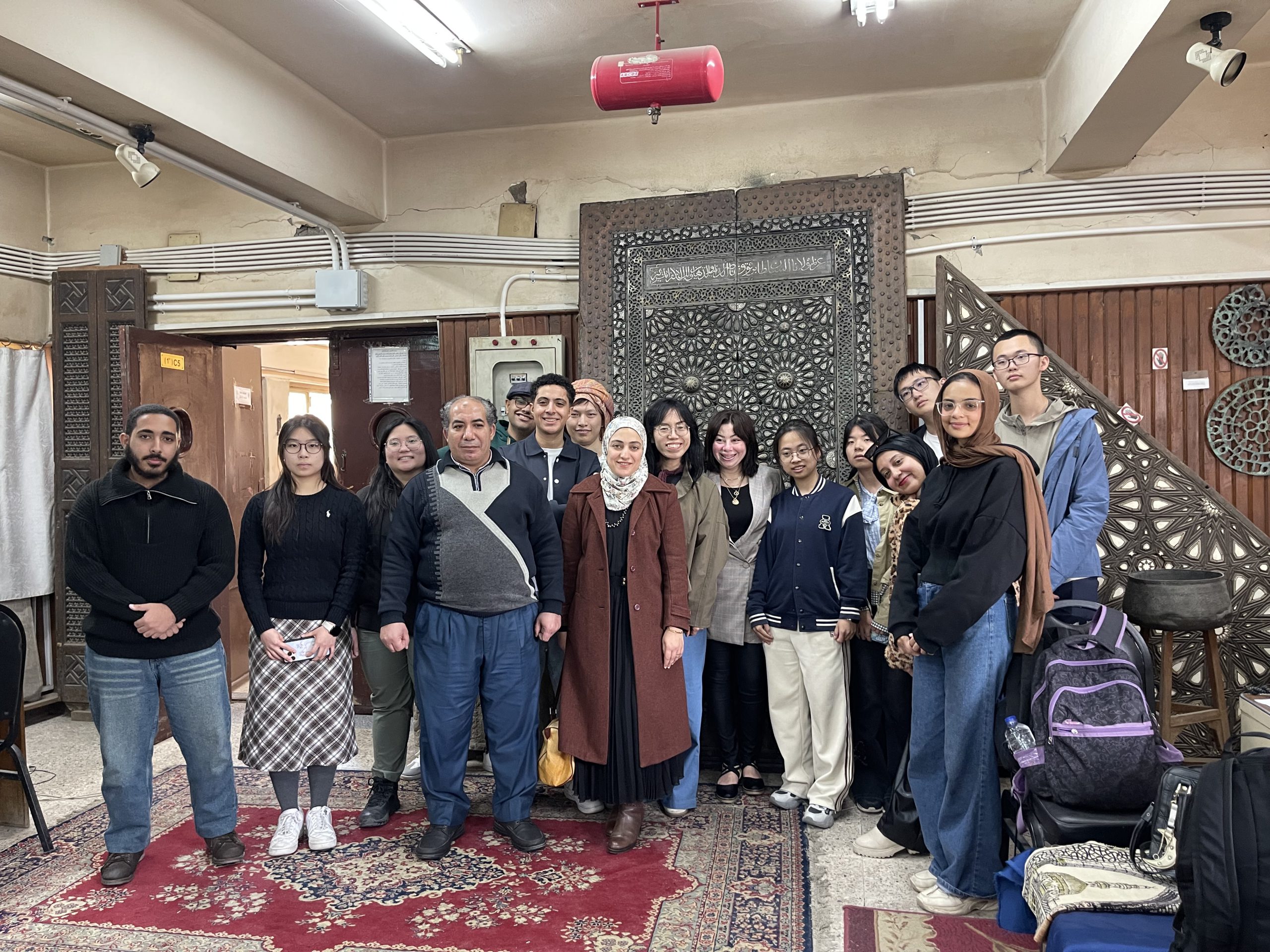
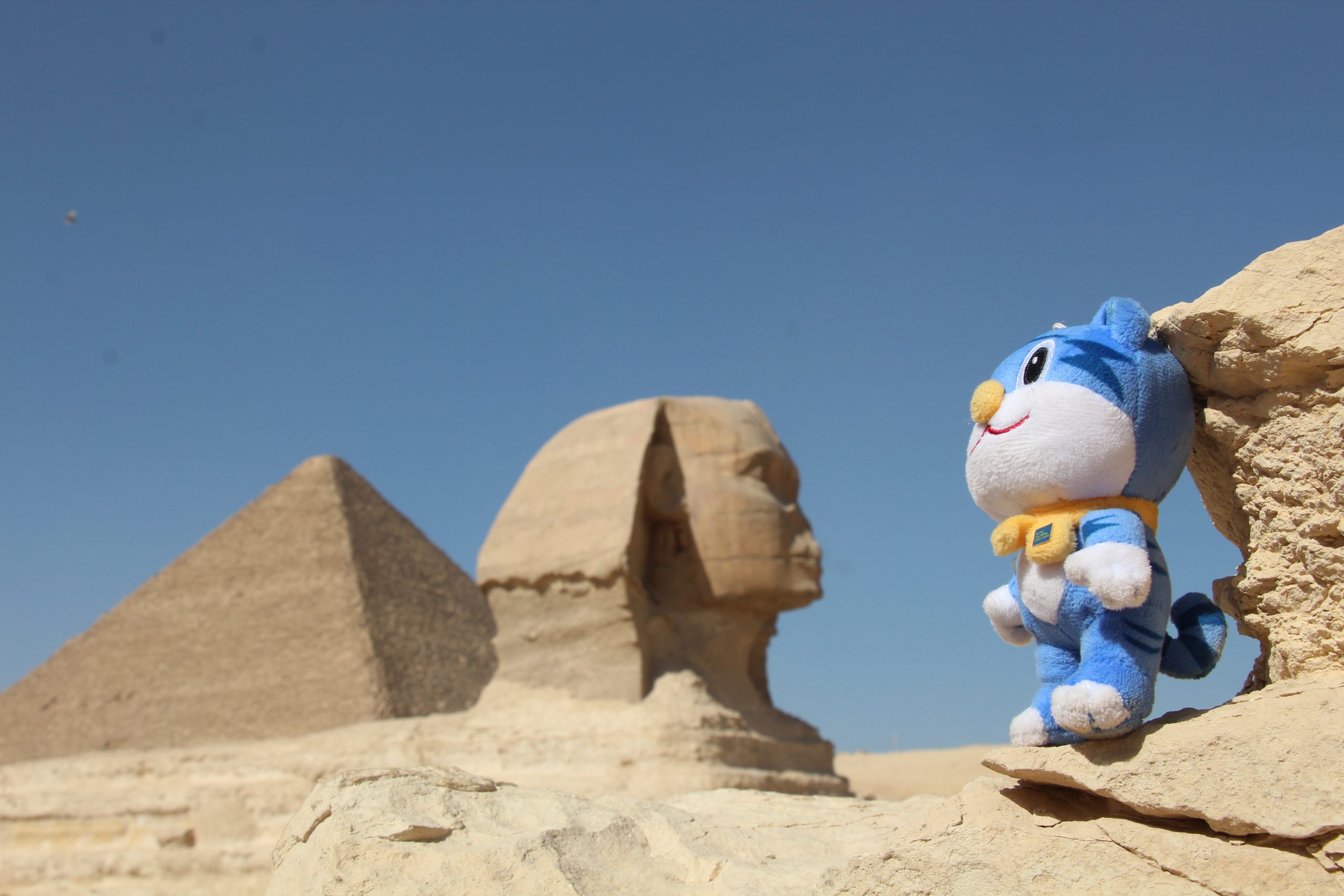
Duration: 3 weeks
Eligibility: All students
Courses:
Archaeology /Arabic culture/ Environment Studies (New course, waiting for approval/ Expected to be 2-3 IB credits)
France - Université de Technologie Troyes

Duration: 4 weeks
Eligibility: Sophomore students and above
University of Technology of Troyes
University of Technology of Troyes (UTT) is a public engineering university located in Troyes, France. Founded in 1994, UTT is part of the French University of Technology network, combining the academic approach of universities with the professional orientation of French engineering schools. The university is known for its strong focus on engineering, innovation, and international collaboration, offering interdisciplinary programs designed to prepare students for global technological challenges.
Courses
French as a Foreign Language (6 IB-HU credits);
Psycho-social skills for a Sustainable management (2 IB-PD credits)
French as a Foreign Language
This course is designed for international students who wish to learn or improve their French language skills while studying in France. Students are placed into different levels according to their proficiency, ranging from beginner to advanced.
Through interactive classes, students develop practical communication abilities in speaking, listening, reading, and writing, enabling them to handle everyday conversations and better engage with French culture and society. The course also introduces elements of French culture and daily life, helping students adapt to the local environment and enrich their study abroad experience.
Psycho-social Skills for Sustainable Management
This interdisciplinary course introduces students to the human and social dimensions of sustainable management. The course explores how psychological and social skills—such as communication, teamwork, leadership, and decision-making—play a crucial role in promoting responsible and sustainable organizational practices.
Through lectures and discussions, students learn how these skills can support collaboration, ethical decision-making, and long-term sustainability in organizations and society. The course encourages critical thinking about the relationship between management, social responsibility, and sustainable development.
Germany - Technische Universität Berlin
Duration: 4 weeks
Eligibility:
Technical programs-Sophomore students and above
Language programs-All students
Technische Universität Berlin
Technische Universität Berlin (TU Berlin), established in 1946, is one of Germany’s largest and most prestigious technical universities, with a history dating back to the 18th century. Located in Charlottenburg in central Berlin, the university is easily accessible via the city’s excellent public transport system. TU Berlin offers a wide range of programs across engineering, natural sciences, humanities, and social sciences. With a diverse international student body, it provides a dynamic and globally oriented academic environment.
Courses:
German Language
This intensive four-week German Language course provides a practical introduction to basic communication skills. Students learn essential vocabulary and grammar, including sentence structure, verb conjugation, and everyday expressions. The course combines lectures, interactive activities, and excursions to enhance real-life language use. Cultural programs and site visits further enrich students’ understanding of German society. By the end of the course, students will be able to communicate confidently in basic daily contexts.
CanSat: Hands-On Satellite Design
In this course, a CanSat is designed, built and tested in the field during a rocket launch. Therefore, all basics of topics related to exciting area of space technologies is imparted and practical skills for the development of a CanSat are trained. The theoretical units are supplemented by practical exercises. Parts of the CanSat are developed in intensely supervised small groups. During an excursion to a site in Berlin where space related companies and institutions are located, the participants shall gain insight into facilities used for the development of satellites.
Introduction to Business Data Science with Python
This course contains the learning materials, practices and case studies to develop the knowledge and skills of the students in the field of data science and its application in the real business/work world. The students will learn how to apply analytical techniques and scientific principles to extract valuable information from business data for decision-making, strategic planning.
This skills-based specialization is intended for learners who have a basic programming background and want to apply statistical, machine learning, information visualization, and data analysis techniques through python programming language and other tools.
Gaming for Virtual and Augmented Reality
This course introduces Extended Reality (XR), including AR, VR, and MR, combining technical development with user experience (UX) design. Students learn to build XR applications using Unity, from basic setup to interaction design, and deploy them on mobile devices. The course also covers UX principles and user testing methods, enabling participants to evaluate and improve their applications. Through hands-on workshops and projects, students gain practical skills in designing, developing, and refining XR experiences.
Sustainable Buildings: Principles and Modelling
In contemporary building design, sustainability has emerged as a fundamental element. With the growing urgency of climate change and limited resources, the imperative to create buildings that prioritize minimal environmental impact and maximize human comfort has also intensified. Sustainable building can make a crucial contribution in this regard. But what defines a sustainable building and how can a building be designed in a sustainable way? The course provides both theoretical and practical learning materials to address this question.
Cultural Programs
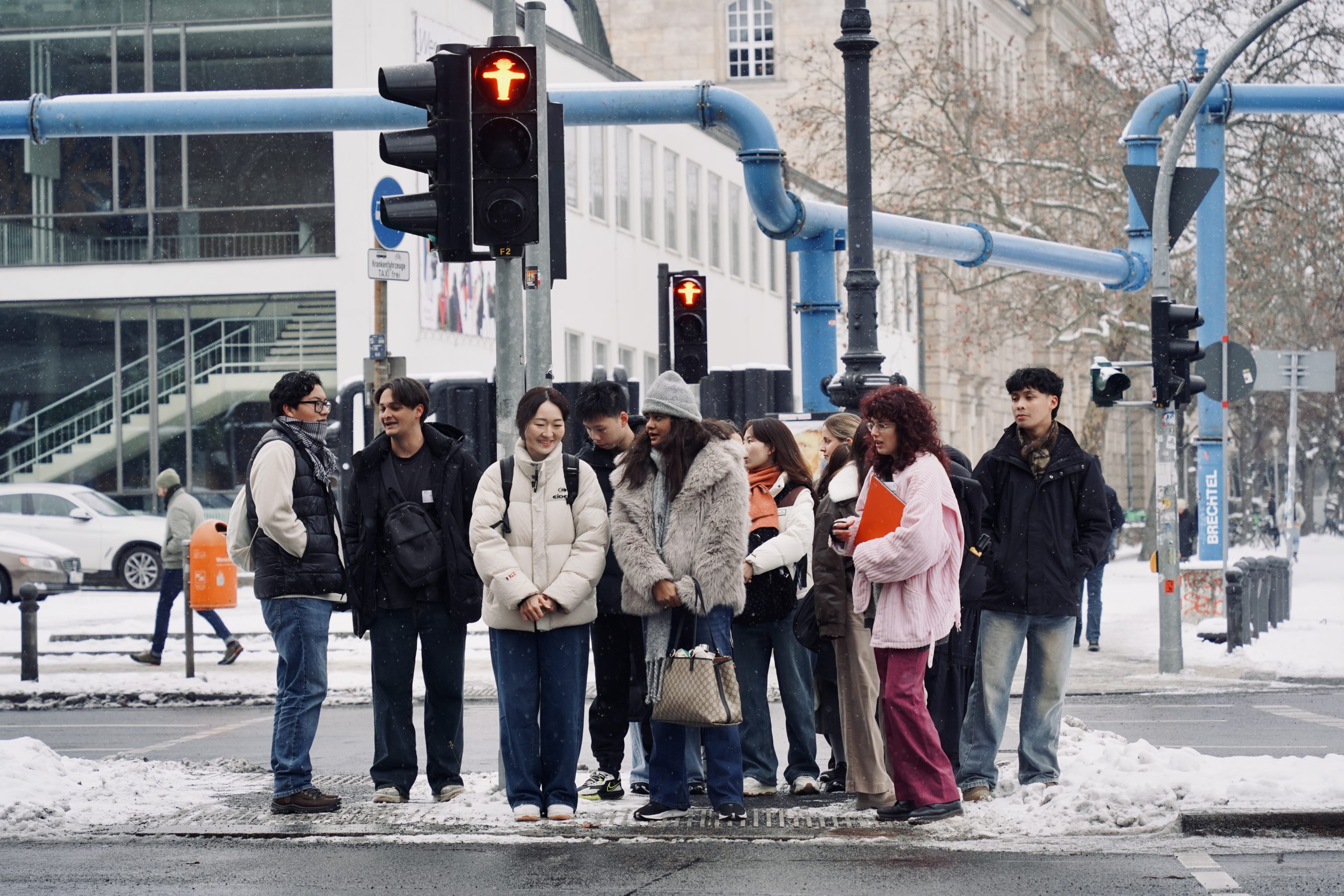
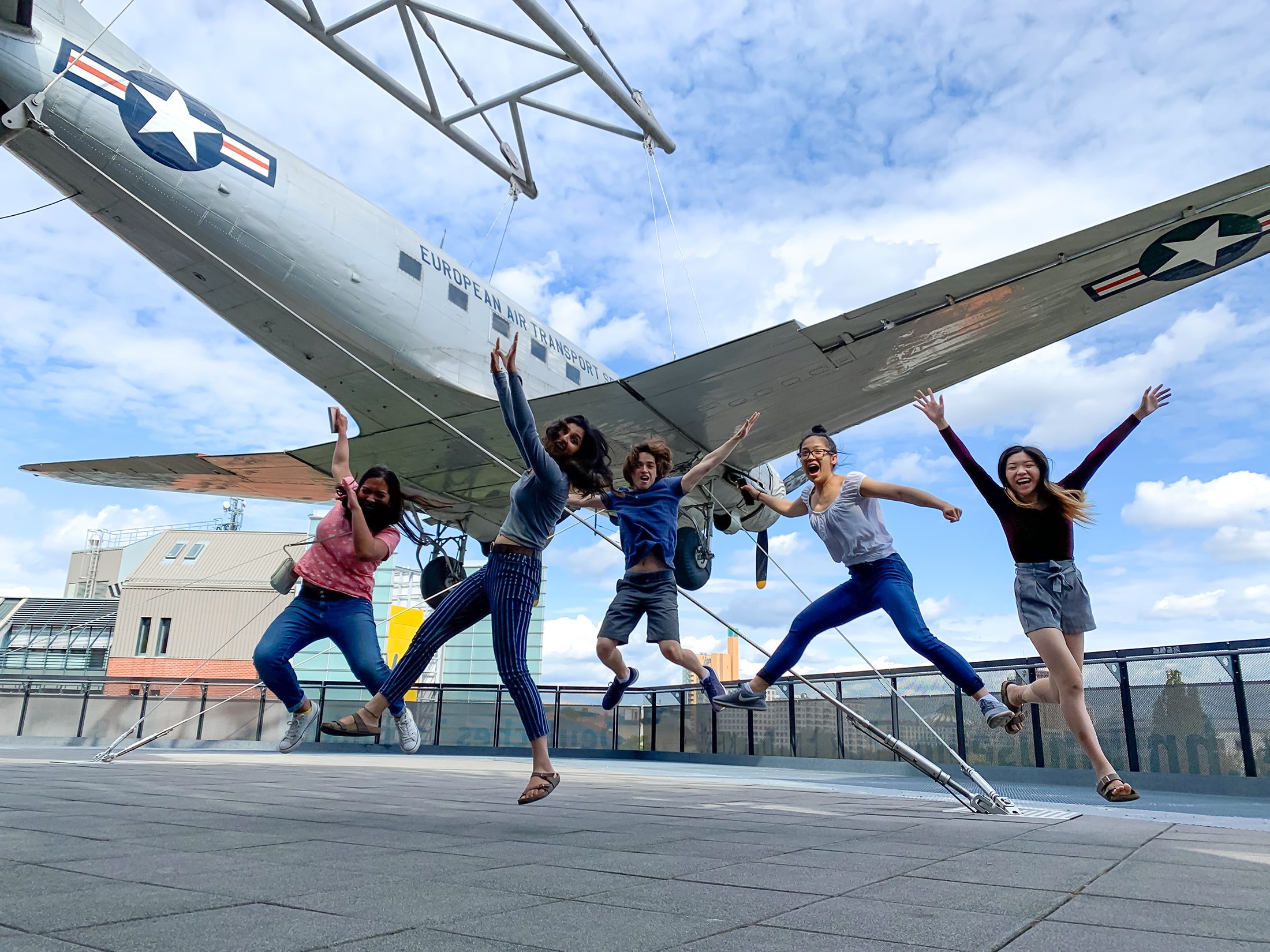
Participants of the TU Berlin Winter School will have the opportunity to visit some of Berlin’s most famous sites and museums and to experience the local culture first-hand through the historical, social and sporting activities offered throughout the program. Activities in the cultural program include:
- Sightseeing tour of Berlin
- Visit to the German parliament
- Experience Berlin’s cultural and historical hot spots
- Sports and team building activities
- One-day guided visits to the beautiful cities such as Potsdam and Dresden
Hungary – University of Pecs

Duration: 3 weeks
Eligibility: All students
The University of Pécs
The University of Pécs, the oldest university in Hungary, was founded in 1367. Today it is one of the largest higher education institutions in the country, offering a wide range of academic programs to approximately 22,000 students across nearly 500 fields of study.
The university manages more than 100 degree programs and preparatory courses for international students taught in English and German. It actively participates in international mobility initiatives and has twice received the European Union’s Erasmus Quality Award in recognition of its achievements in international education.
In addition to full-degree international programs, the University of Pécs organizes a variety of summer schools, winter schools, and short-term programs for incoming international students.
Course Information
Course Title: European Art and Culture – Through the Perspective of a Middle-European Town
This three-week residential winter school program offers a multidisciplinary academic experience for students interested in the history of ideas and the arts.
The course explores major trends in the intellectual and cultural history of Europe. It introduces the classical and Judaeo-Christian traditions as well as key philosophical movements that have shaped European cultural and intellectual thought.
Using the rich cultural heritage of Pécs as a point of reference, the program presents the major historical periods of European culture and art, from ancient times to modernism and contemporary art.
Adopting a multidisciplinary approach, the program incorporates perspectives from history, philosophy, art history, religion, urban history, architecture, film, music, and literature. Drawing on the city’s diverse cultural heritage, students will explore museums, World Heritage sites, galleries, and libraries that preserve artworks and architecture spanning from the Roman era to the present day.
Through these experiences, students will have the opportunity to engage closely with historical objects and monuments, uncovering more than 1,500 years of cultural history. The remarkable historical heritage and vibrant contemporary artistic life of Pécs provide an ideal setting for gaining a comprehensive understanding of European cultural and intellectual development.
Learning Outcomes
Knowledge
Students will gain a foundational understanding of major periods in European history and art, as well as key concepts for interpreting a wide range of artistic works.
Skills
Students will develop the ability to appreciate and analyze artworks from different historical periods, articulate informed interpretations, and evaluate cultural phenomena within a broader intellectual context.
Teaching and Learning Methods
The course will be delivered through lectures, seminars, guided discussions, and site-based learning activities.
Assessment
Attendance at lectures and seminars is compulsory. Students will complete a written examination based on the course content.
Social Programs
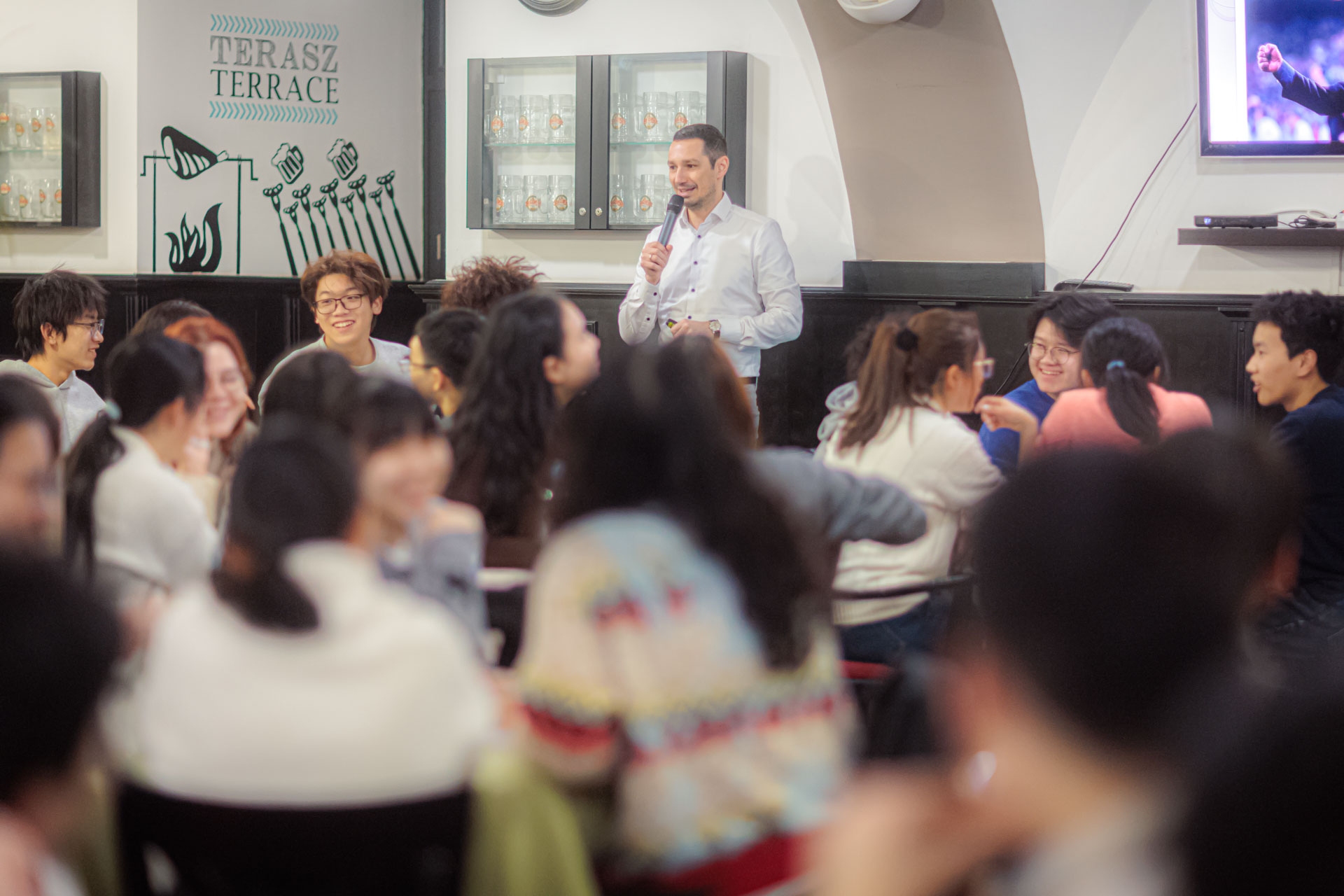
The University of Pécs organizes a variety of social and cultural activities for participants. These activities provide students with opportunities to learn about Hungarian culture and society while experiencing life in Central Europe.
Students will also have opportunities to interact with both international and Hungarian students at the University of Pécs and to explore the multicultural city of Pécs. A range of cultural events and local activities will take place throughout the program.
Korea – Korea University

Korea University
Korea University with a proud history spanning 120 years, stands as South Korea’s oldest and most prestigious private comprehensive university. Renowned for its academic excellence, vibrant campus life, and commitment to fostering global leaders, Korea University continues to lead the way in education, research, and innovation. As a symbol of tradition and progress, it upholds its legacy while embracing the challenges of the future with unwavering spirit and excellence.
Courses (students should choose a minimum of 4 credits):
- Introduction to Artificial Intelligence (2 FTE credits) General Elective if ECE4920J is taken;
- Korean Entertainment: A Cultural Wave Beyond Borders (2 IB-SS credits);
- Beginning Korean I or II (2 IB-HU credits);
- Media & Popular Culture in Korea (2 IB-SS credits);
- Social Psychology (2 IB-SS credits)
New Zealand – University of Auckland


Duration: 7 weeks
Eligibility: Sophomore students and above
University of Auckland
University of Auckland is the largest and highest-ranked university in New Zealand. Founded in 1883 and located in Auckland, the university is widely recognized for its excellence in research, teaching, and innovation.
The university offers a wide range of academic programs across disciplines including science, engineering, business, arts, and medicine, and is known for its strong research culture and global academic partnerships. Studying at the University of Auckland allows students to experience high-quality education while living in one of the most vibrant and multicultural cities in the Asia-Pacific region.
Program Overview
This program combines academic study, practical data analysis training, and cultural exploration. Students will attend lectures delivered by experienced faculty members and gain hands-on experience in statistical analysis and data modelling.
In addition to academic learning, the program also provides opportunities to explore New Zealand’s culture, society, and natural environment through organized excursions and cultural activities.
Course Information
STATS 330 – Statistical Modelling
This course focuses on the application of generalised linear models (GLMs) to analyze complex datasets from a variety of fields. Building on fundamental statistical concepts, the course develops a deeper understanding of statistical modelling and its practical applications.
Key topics include:
- Multiple regression and logistic regression models
- Log-linear models for count data
- Model selection and model evaluation
- Simulation-based methods such as bootstrapping and cross-validation
- Graphical exploration and interpretation of data
Students will learn how to implement statistical models using R, one of the most widely used open-source environments for statistical computing. Through practical data analysis exercises, students will develop a versatile statistical toolkit that can be applied in fields such as business analytics, economics, computer science, and the social sciences.
Capabilities Developed in this Course
- Disciplinary Knowledge and Practice
- Critical Thinking
- Solution Seeking
- Communication and Engagement
- Independence and Integrity
Study in New Zealand
The program takes place in Auckland, the largest city in New Zealand and a vibrant global city surrounded by harbors, beaches, and volcanic landscapes. Known for its high quality of life and multicultural environment, Auckland provides an ideal setting for international students to study and explore.
Cultural and Social Activities
The program also includes cultural activities designed to introduce students to New Zealand’s history, society, and Māori cultural heritage. These activities provide opportunities to engage with local communities and build connections with fellow international students.
Activities include:
- Orientation
- Urban Māori Experience – Cultural Day Trip
- Piritahi Marae Visit/Waiheke Island Day Trip
- Social and networking events
Japan - Ritsumeikan University
Duration: 5 weeks
Eligibility: All students
Courses:
Japanese Language Level 1/ Level 2 (5 IB-HU credits, course content equivalent to JAPN1100J/JAPN1110J)
Japan - Sophia University

Duration: 4 weeks
Eligibility: Sophomore students and above
Courses ( students could choose a maximum of 6 credits):
Japanese 1A/1B (=JAPN1100J);
Japanese 2 (=JAPN1110J);
Media and Contemporary Issues in Japan (2 IB-SS credits);
Modern History of Japan (2 IB-SS credits);
Contemporary Japanese Culture and Society (2 IB-SS credits);
Chado, the Way of Tea and Japanese Culture (2 IB-Art)
Spain - University of Navarra


Duration: 4 weeks
Eligibility: Sophomore students and above
Universidad de Navarra
University of Navarra is a prestigious university in Spain, with main campuses in Pamplona and San Sebastián. It is widely recognized for its academic excellence, offering strong programs in business, communication, engineering, and the humanities. The Pamplona campus provides a comprehensive university environment with modern facilities and a vibrant student community, while the San Sebastián campus is particularly known for its focus on business and international studies, set in a dynamic coastal city. The university emphasizes innovation, research, and a global perspective, attracting students from around the world.
Courses
Spanish (3 IB-HU credits) – located in Pamplona campus
Algorithms for machine learning and AI (Waiting for approval) – located in San Sebastian campus
Algorithms for machine learning and AI
Course Overview
This intensive course introduces engineering students to core algorithms in Machine Learning
(ML) and Artificial Intelligence (AI). Students explore the foundational theory and practical applications of learning algorithms, with hands-on implementation using Python and standard libraries. The course also integrates a company visit to Multiverse Computing, where students observe how ML/AI are applied in quantum computing and finance.
Prerequisites:
- Basic programming knowledge (Python preferred).
- Understanding of basic statistics and linear algebra.
Course Objectives:
- Understand key supervised, unsupervised, and deep learning algorithms.
- Implement core ML/AI models using Python libraries (Scikit-learn, TensorFlow).
- Optimize and evaluate models with practical datasets.
- Explore AI applications through real-world case studies.
- Learn about quantum computing and ML/AI convergence during a company visit.
Teaching Methodology
The course will be conducted using a blended learning approach that combines theoretical
lectures, hands-on programming labs, interactive discussions, and practical projects. This methodology ensures a comprehensive understanding of both the foundational concepts and
practical implementations of machine learning algorithms.
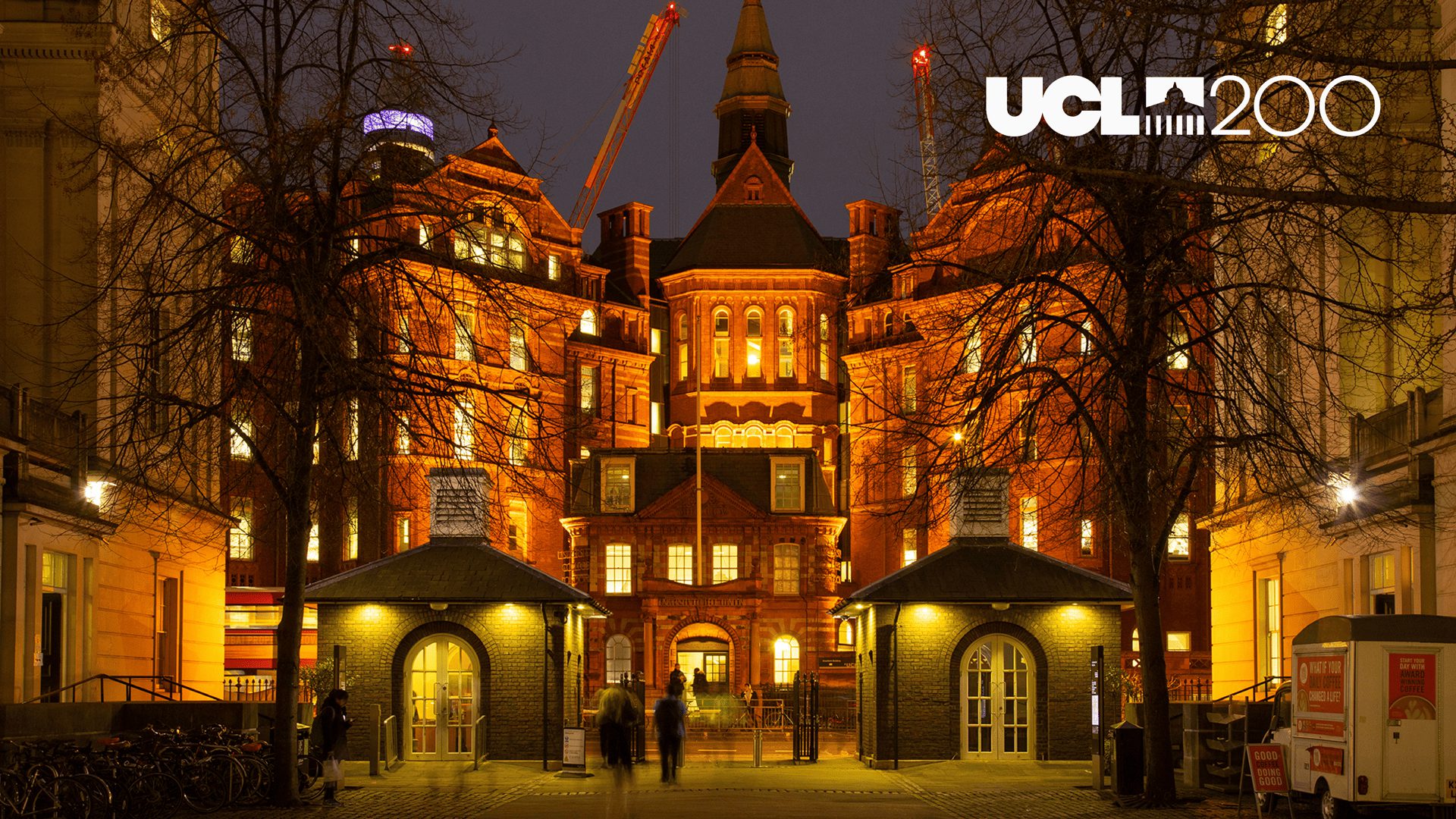
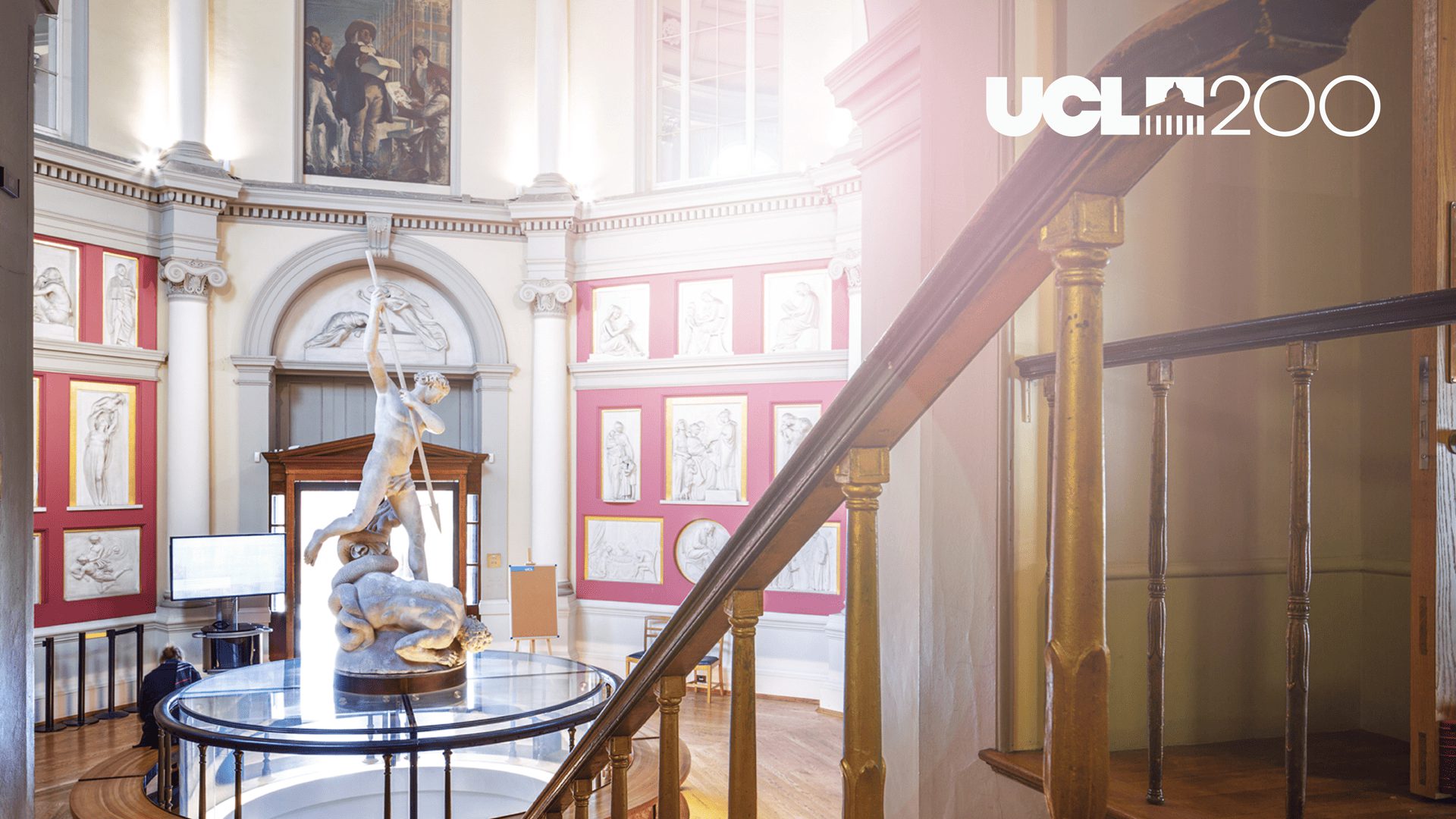
United Kingdom - University College London
Duration: 3 weeks
Eligibility: All students
University College London
University College London (UCL) is one of the world’s leading universities and a member of the prestigious Russell Group in the United Kingdom. Known for its excellence in research and innovation, UCL is consistently ranked among the top universities globally.
Program Overview
This intensive program combines academic learning, hands-on laboratory experience, and cultural exploration in the United Kingdom. Students will study key topics in robotics, artificial intelligence, and computer science, while gaining practical experience through programming exercises, robotics laboratories, and project work.
Academic Structure
The program is structured into three themed weeks, each focusing on a key area of robotics and AI:
Week 1 – Computer Science Foundations for Robotics
Students will develop fundamental programming and algorithmic skills required for robotics and AI applications. Topics include:
- Programming and algorithms
- Object-oriented programming
- Machine learning fundamentals
- Reinforcement learning basics
Week 2 – Robotics Hardware and Systems
This week introduces the physical components of robotic systems and how they interact with software.
Topics include:
- Electronics and sensors
- Actuators and mechatronics
- Robotics hardware systems
- Control systems for robotics
Week 3 – Robot Navigation and Learning
The final week focuses on advanced robotics technologies and the integration of knowledge through project work.
Key topics include:
- Simultaneous Localisation and Mapping (SLAM)
- Robot navigation and planning algorithms
- Reinforcement learning for robotics
- Final robotics project integration
Study at UCL East
Teaching takes place at UCL East, a new innovation campus located in Stratford in London.
Teaching venues include:
- One Pool Street – robotics laboratories and hardware sessions
- Marshgate Building – lectures, seminars, and project presentations
Students will experience a modern research and innovation environment while studying robotics and AI technologies.
Cultural and Academic Visits
The program also includes curated academic and cultural visits across the UK, providing students with a broader perspective on British education and culture.
Planned visits include:
- University of Cambridge
- University of Oxford
- Cultural and academic visits across London
Transport, guided tours, and entry tickets are included as part of the program.